Seasonal patterns play a big role in preparing for a weather risk. But this year, the distribution and frequency of hail is far off course from historical norms.
The severe weather whiplash hit the Upper Midwest as early as February, starting much sooner than anyone can remember, even before the snow piles had melted! Businesses and organizations were hit with a much different, more damaging type of frozen precipitation in the late winter and early spring months this year—hail
Climatological Context
Understanding why this year is unusual requires knowing what a typical severe weather season looks like. The Storm Prediction Center (SPC) provides climatology data for each month based on average probabilities of the occurrence of hail. The higher the percentage, the greater the likelihood that a region will experience severe weather during that month.
A 20% or lower climatological severe weather probability covers much of the north-central United States from January through mid-April. These regions expect winter weather to remain the dominant concern, and severe weather preparations stay out of mind.
The Numbers Are In
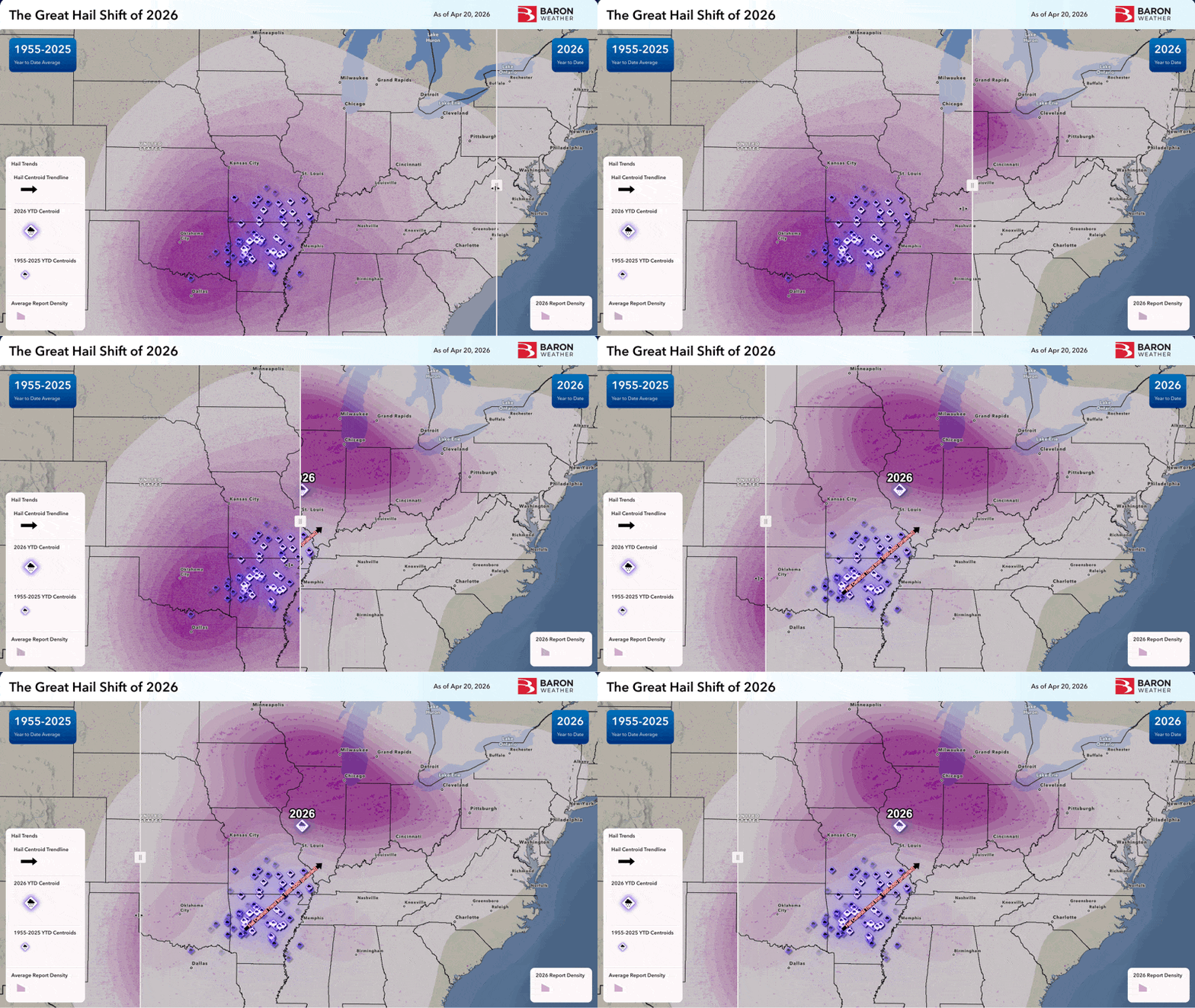
Hail reports through April 20 this year show an extremely unusual spatial pattern, hitting areas that are much less likely to experience severe weather impacts, particularly large hail, during the late-winter, early-spring transition.
The pattern proved consistent and relentless. Over half of January’s storm reports fell outside of expected areas. This signal sharpened into February and March as repeated rounds of severe weather swept through the Central US and Upper Midwest. Large hail became the defining storyline, anchored by a 6.1” hailstone in Illinois that shattered the state’s record. By April, large hail reports extended their stay north of normal in regions where large hail events are historically rare for this period.
The Shocking Shift
Baron Weather GIS intern Max Keller analyzed this year’s hail reports and compared them with decades' worth of historical data, uncovering a shocking pattern. He found that this year’s centroid (as of April 20) has shifted 266 miles to the northeast compared to the 70-year average for the same period.
A shift in large hail events northward isn't only important from a weather analysis perspective. It changes who needs to prepare, when preparation should take place, and how often operations may be affected and need to respond. For organizations across these newly impacted regions, adapting risk strategies to this evolving hail regime will be essential to protect people, assets, and operations in the years ahead.