Across the country, communities are struggling to understand, monitor, and manage the water that shapes their daily lives. Too little water strains reservoirs and agricultural economies; too much, too quickly, leads to flooding, debris flows, and overwhelmed infrastructure.
Whether it’s scarcity or abundance, accurate precipitation intelligence is essential for answering questions like:
- How much water is entering a basin?
- Where is runoff likely to surge?
- How is streamflow changing after a storm?
- What risks could emerge downstream?
Agencies can’t answer these questions without reliable, localized precipitation data — and in many parts of the U.S., national datasets alone aren’t enough. Terrain, distance, and atmospheric conditions often limit the performance of large-scale gridded products and long-range radar networks.
That’s why communities are investing in localized radar systems to strengthen water management, flood awareness, and operational decision-making.
How Localized Radars Meet Different Community Needs
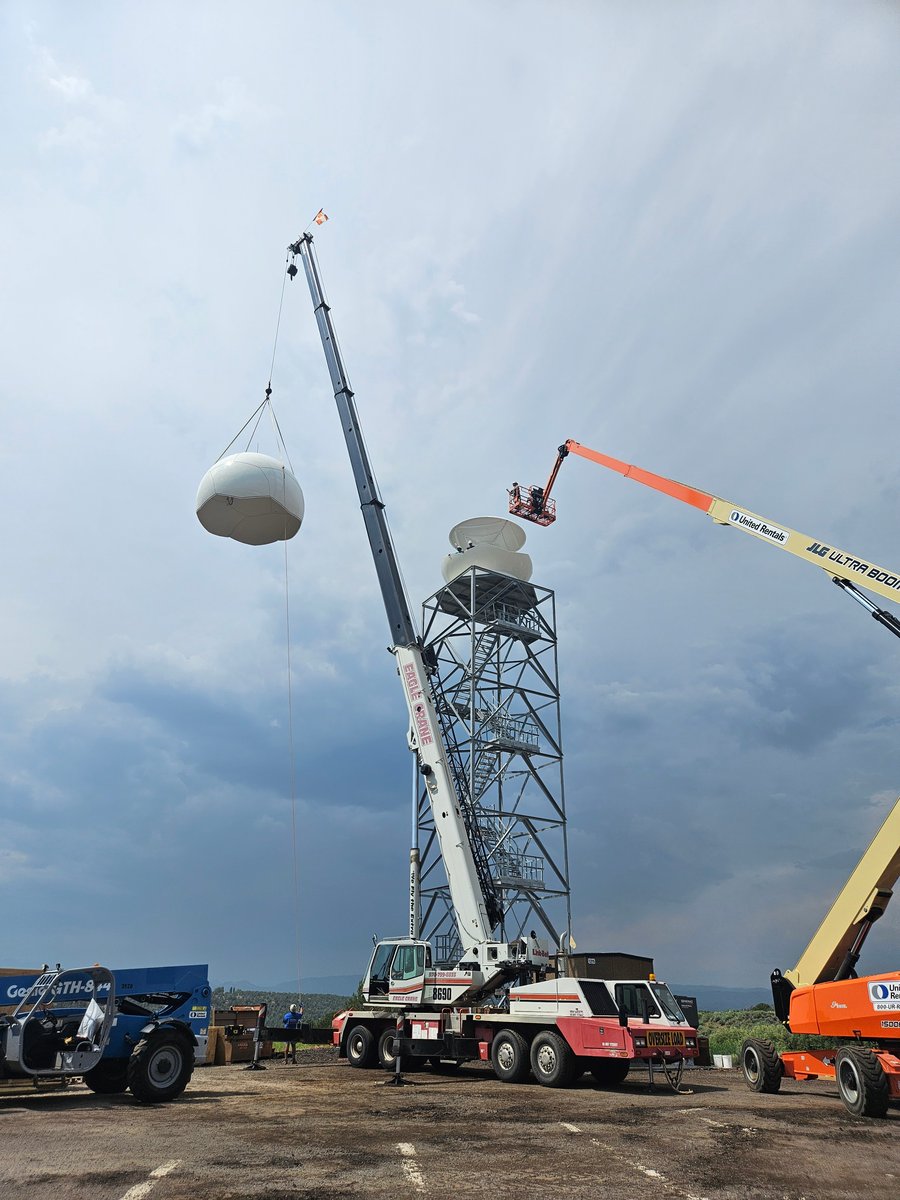
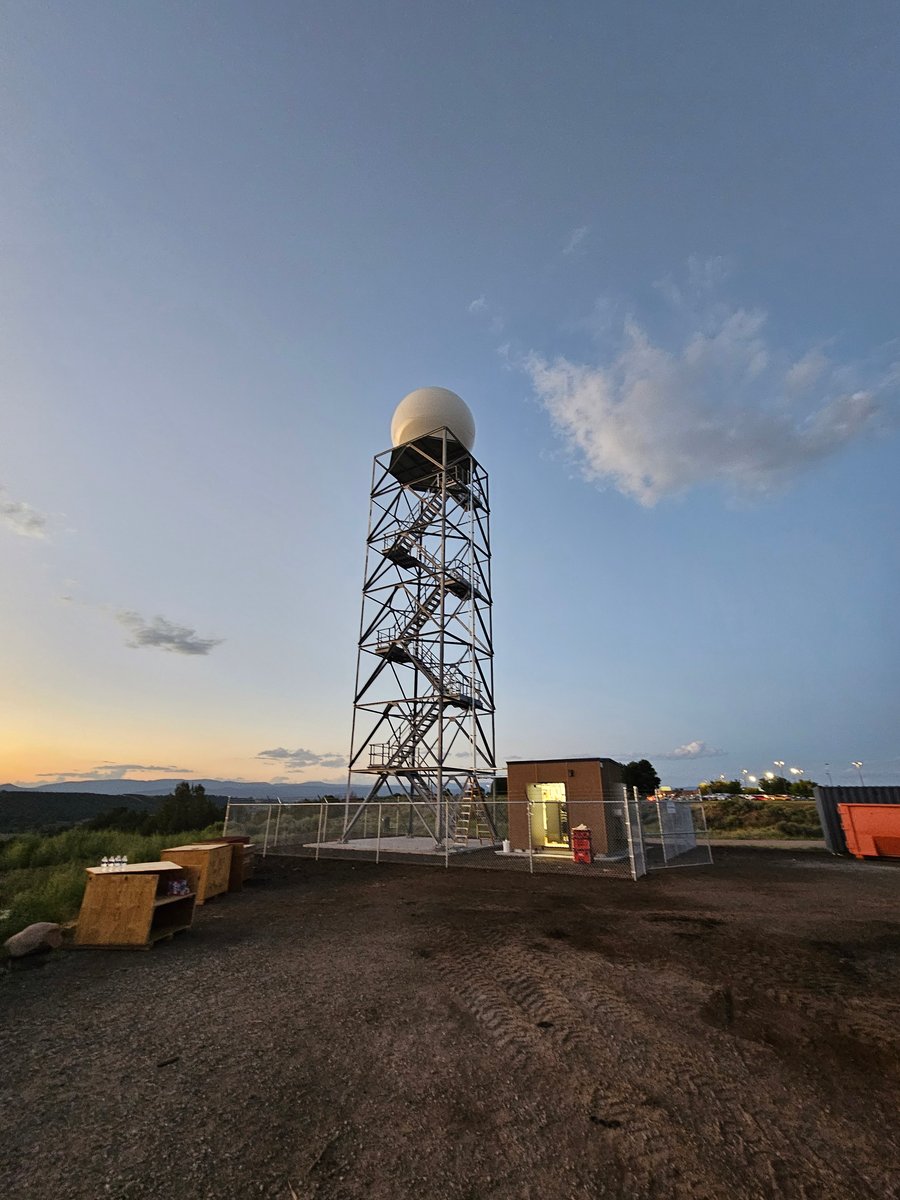
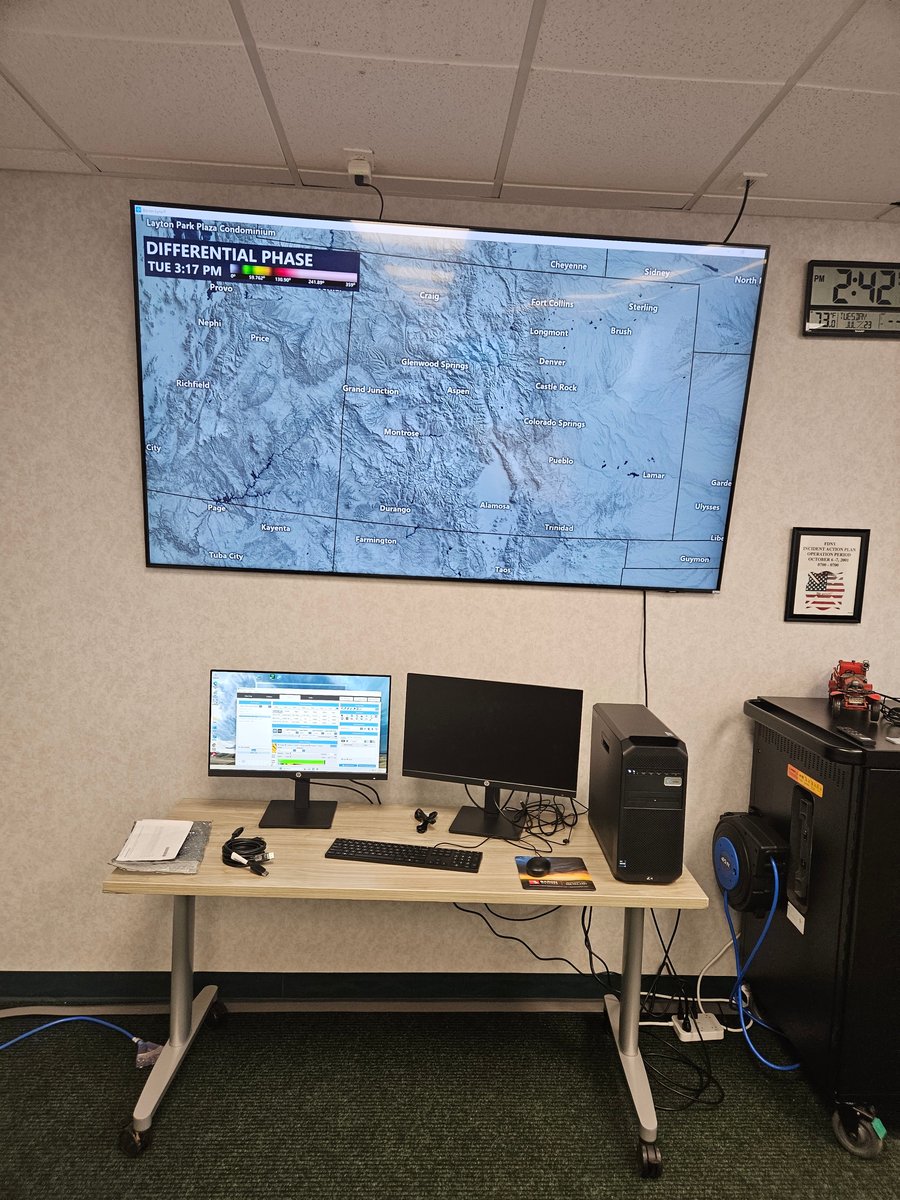
For some communities, the need centers on water and flood management. For others, it’s about closing severe-weather coverage gaps that national radar networks can’t reach. Two recent Baron radar deployments — La Plata County and Durant — highlight how different challenges can lead to the same solution of a reliable, localized radar built for the community’s specific environment.
La Plata County, Colorado
La Plata County’s mountainous terrain — where surrounding peaks block and limit radar visibility — combined with fast-changing monsoon and winter storms, made distant NEXRAD radars insufficient. To support better water management, flood awareness, and emergency planning, the county selected a Baron C-band dual-polarization radar to improve:
- Real-time rainfall tracking
- Snow-storm monitoring
- Runoff and debris-flow anticipation
- Flash-flood awareness and lead time


Durant, Oklahoma
Durant faced a different issue: a severe-weather coverage gap between nearby NEXRAD sites, where radar beams are too high at long distances to effectively capture lower portions of storms. A Baron radar now provides the low-level visibility that the area previously lacked, improving:
- Detection of rotating storms and hail cores
- Early identification of damaging wind signatures
- Storm tracking accuracy near the surface
- Emergency response confidence during severe weather


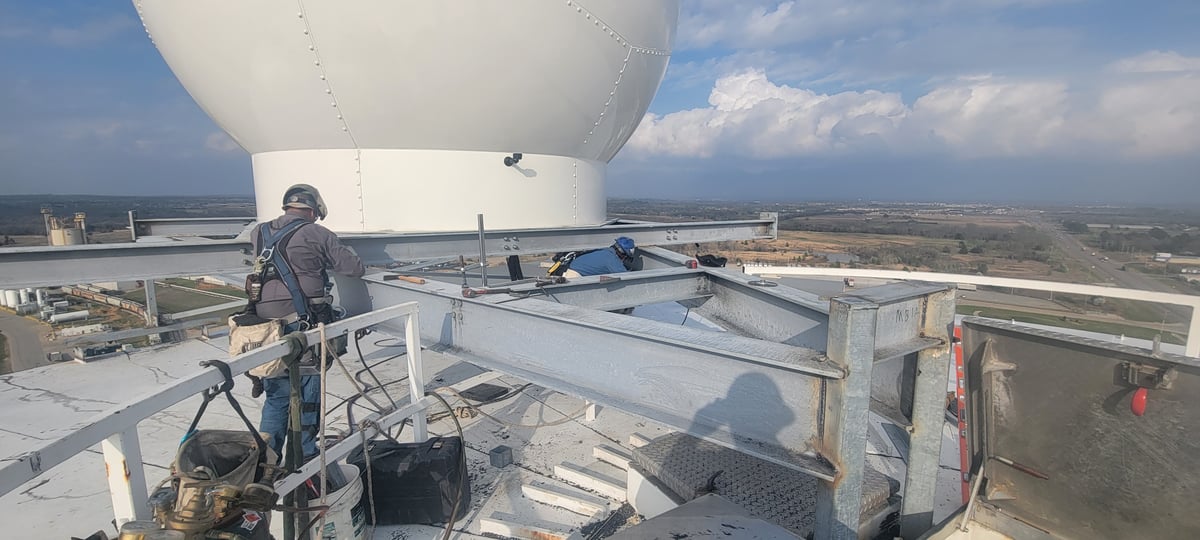
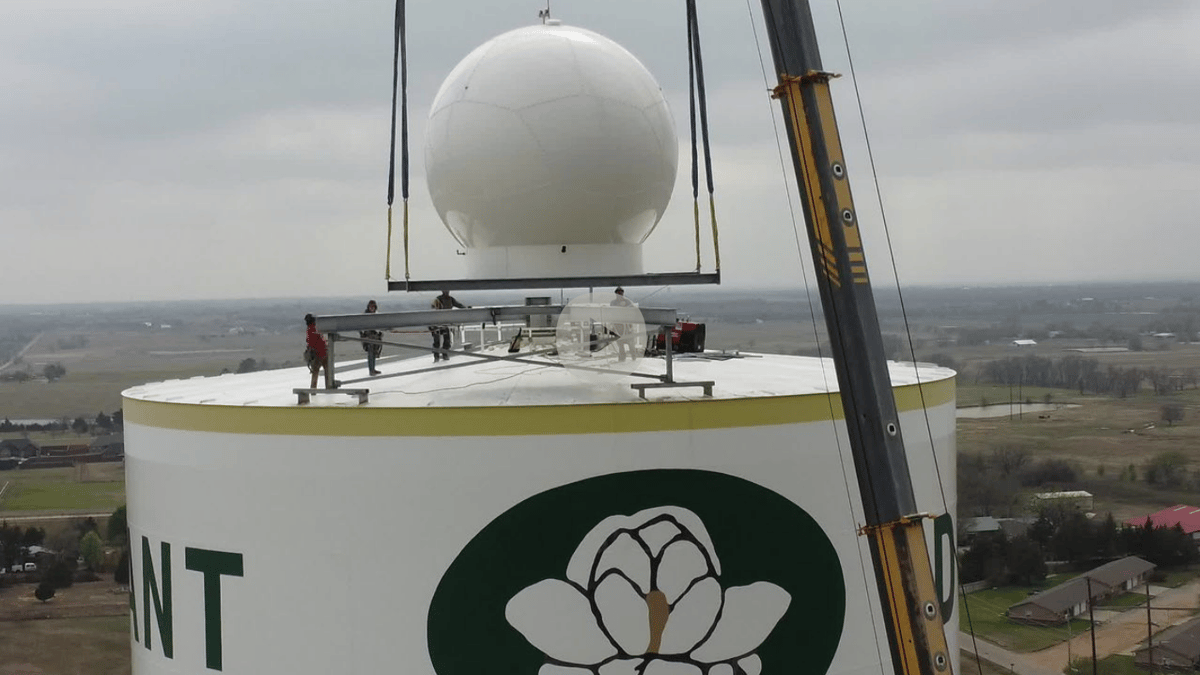
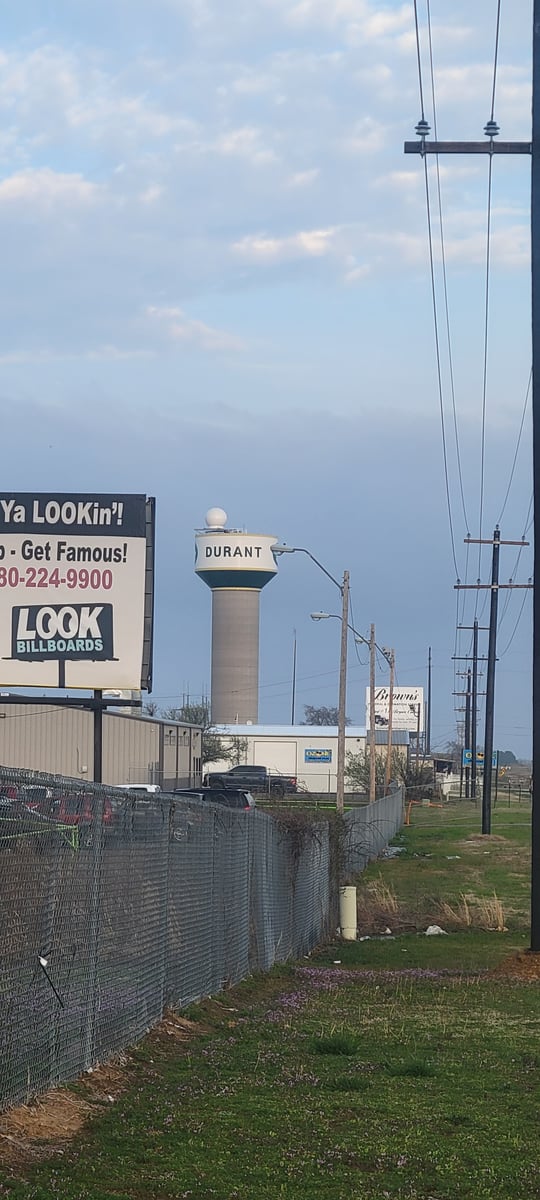
Across both projects, localized radars deliver the precise, timely precipitation and storm data communities need — whether water arrives as rain, snow, or dangerous runoff.
What Research Shows About Filling a Coverage Gap
A recent study from the National Center for Atmospheric Research (NCAR) demonstrates why localized radar makes such a difference. After a gap-filling radar was installed near Alamosa, Colorado, researchers evaluated how the added coverage changed precipitation estimates and streamflow simulations.
The Challenge: No Dataset Gets It Right Everywhere
Researchers compared three datasets:
- North American Land Data Assimilation System (NLDAS) — a national, gauge-adjusted gridded dataset that tended to overestimate precipitation in terrain-blocked areas, leading to high-biased streamflows at most stations.
- Multi-Radar/Multi-Sensor system (MRMS) — a radar-centric product (now including data from the Alamosa radar) that tended to underestimate precipitation farther from the radar, producing low-biased streamflows, but performed much better close to the radar.
- Combined product — a smart blend of the two, based on where the radar could effectively observe precipitation.
Each dataset was right somewhere and wrong somewhere. Terrain and radar visibility determined accuracy.
The Solution: Localized Radar for Combined Datasets
The Alamosa radar captured low-level precipitation structures previously missed, improving MRMS close to the radar while NLDAS remained more reliable farther away. This enabled a terrain-aware blended product using each dataset where it performed best.
The Results: A Clear Reduction in Extreme Errors
The blended approach produced the most balanced streamflow outcomes, with only four stations exceeding 50% error and significantly reduced overall bias.
It wasn’t perfect — but perfection wasn’t the goal. The biggest improvement was reducing extreme errors, which matter most for forecasting, planning, and risk management.
Radar Data Must Be Useful, Not Just Available
Gap-filler radars don’t just extend coverage — they give communities the clarity they need to understand water where it actually matters. Local radars like those in Alamosa, La Plata, and Durant provide agencies with data that reflects their terrain, their vulnerabilities, and their operational realities. When communities close a radar gap, they’re not simply upgrading a sensor — they’re strengthening every downstream model, forecast, and operational decision that depends on accurate precipitation intelligence.
For agencies, the impact is immediate: when precipitation data improves, so do the models and decisions built on top of it. Localized radar gives teams a more defensible view of risk, helping them prioritize resources, protect vulnerable areas, and respond faster when conditions shift.
If your organization is facing similar coverage challenges or wants to understand the hydrologic impact of improving radar visibility, our team can help evaluate where targeted solutions will have the greatest benefit.
To see where radar coverage gaps still exist across the U.S. — and how they may impact your region — explore our interactive coverage map, including state-by-state insights into areas with poor radar visibility: US Gap Targeting | Benefits of New Baron Radars
To explore how useful your radar data really is — and how to ensure it’s delivering the insight your community needs — read our radar data effectiveness article.
Learn more about the La Plata radar here.
Read more about Durant’s radar deployment here.